

Independence Day (day before)
Independence Day (CLOSED)
Labor Day (CLOSED)
Erev Rosh Hashana
Rosh Hashana (CLOSED)
Rosh Hashana (CLOSED)
Erev Yom Kippur
Yom Kippur (CLOSED)
Thanksgiving
Thanksgiving (day after)
Christmas Eve
Christmas Day (CLOSED)
New Year's Eve
New Year's Day
By Andrea Kott
Terror is the last thing I expect to see in Sara’s beautiful eyes when we pull into the JCC parking lot. She’s been asking to come swimming but when I explain that JCC stands for Jewish Community Center, she presses her hands against the black hijab that frames her gaping mouth. “No, no, no!” she says, shaking her head. “They hate us!”
“Who hates you?” I ask. “Jews?” Looking apologetic and ashamed, she nods.
Admittedly, I’d avoided spelling out JCC when I first invited her, afraid that concerns about anti-Muslim bias would keep her away. What I failed to consider were my own biases, like my assumption that Sara, who is Muslim, hates Jews, or at least those she doesn’t already know.
Now, here we are, a Muslim and a Jew, with stereotypical beliefs and expectations about each other, in a space that celebrates difference and diversity. At this moment, I recall CEO Adam Weiss’ words: “The J is not a gym, it’s a community.” It wants all who enter to feel at home within its walls and with each other.
Sara arrived in the United States nearly a year ago. Like many Afghan families with members who assisted the U.S. military during the 2001-2021 war, hers fled Afghanistan once the repressive, murderous Taliban assumed power.
Afghanistan is among dozens of countries where extreme poverty, war, violence, or climate catastrophes have fueled waves of immigration to the U.S. This ongoing influx of migrants with enormous economic, health and social needs is occurring while 36.8 million Americans live in poverty, with the same needs. Choosing who to help is difficult. But as a Jew whose late father-in-law survived the Holocaust, and who cherishes the commandment to welcome the stranger, I decided 15 years ago to help resettle refugees and teach them English so that they can build legal, healthy and independent lives.
Sara, who learned English before the Taliban banned education for girls older than age twelve, speaks fluently and understands most of what she hears. She completes a guest application and begrudgingly accepts the required swim cap. She then asks why I need a key fob to enter the facility. I barely utter “security” before she says, “Because this is a Jewish place, right?” I wince at images of rising antisemitism that her question conjures, just as I do at her assumption that being Jewish entitles me to a free membership. I take a breath and emphasize that the J is a place for everyone: people of all religions, races, ethnicities, abilities, and gender identities.
I offer to show her the fitness center, but she balks at the immodestly dressed women and men in the same room, just as she does when I tell her that men and women share the pool. Still, she wants to swim.
In the family changing room, which she chooses for maximum privacy, she pulls on her burkini, a colorful two-piece swim outfit with a high neck, long sleeves and pant legs. Stuffing her long thick hair into the cap makes her laugh out loud.
Having swum only a handful of times, she enters the water hesitantly. I show her how to breathe by inhaling deeply and blowing bubbles in the water. I teach her to kick by gripping the side of the pool and fluttering her legs. Giggling, she allows me to hold her feet and move her legs up and down like scissors, and later, to support her in a back float. Then, she grabs a kick board and tries unsuccessfully to motor away from the wall. “When can I start swimming?” she asks, impatiently. I say she needs more lessons, which I am happy to give. “When?” she asks. “When can I come back?”
In the dressing room, she pulls dry clothes over her soaking burkini. She is smiling, and more relaxed than when we arrived. From the front desk staff who warmly welcomed her, to the lifeguard who wished her a good swim, to greetings from friends we pass in the hallway, the heartfelt acceptance I’d promised not only materialized, but also went two ways. As we leave, everyone waves and tells Sara that they hope to see her again.
They will.
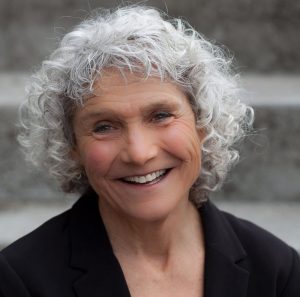
Andrea Kott is a member of the Shames JCC
Aquatics Center HoursOpen from 5:15 am to 8:30 pm
If you need assistance at any time, call:
914.366.7898